


At a glance
-
Duration2 days
-
DifficultyModerate
-
Group sizeMax 8 travelers
-
LanguagesEnglish, German, Italian
-
Meeting pointHotel pickup in Tirana
-
CancellationFree up to 48h before
About this trip
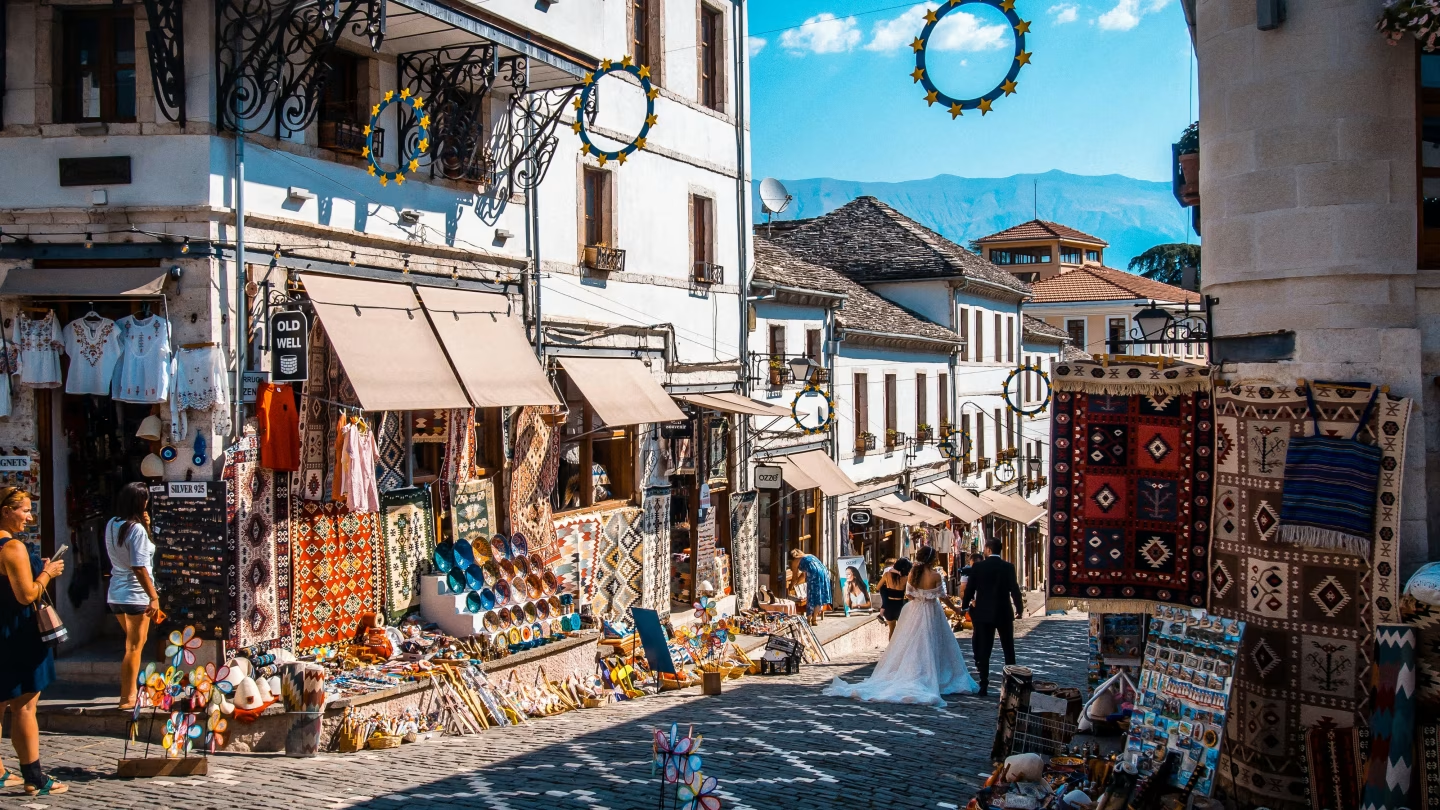
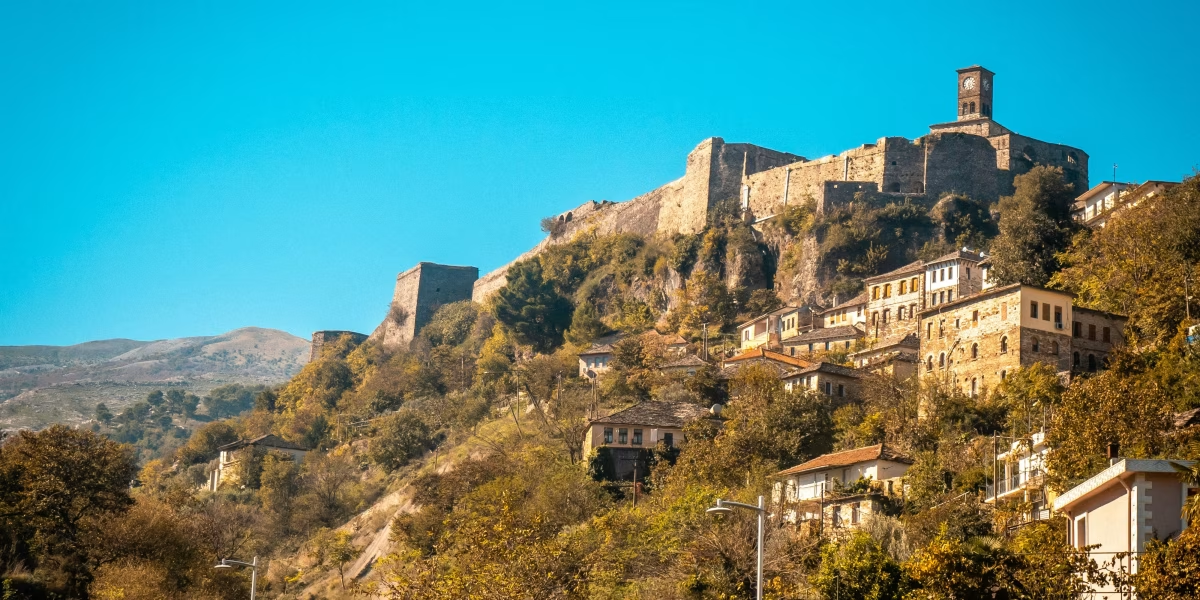
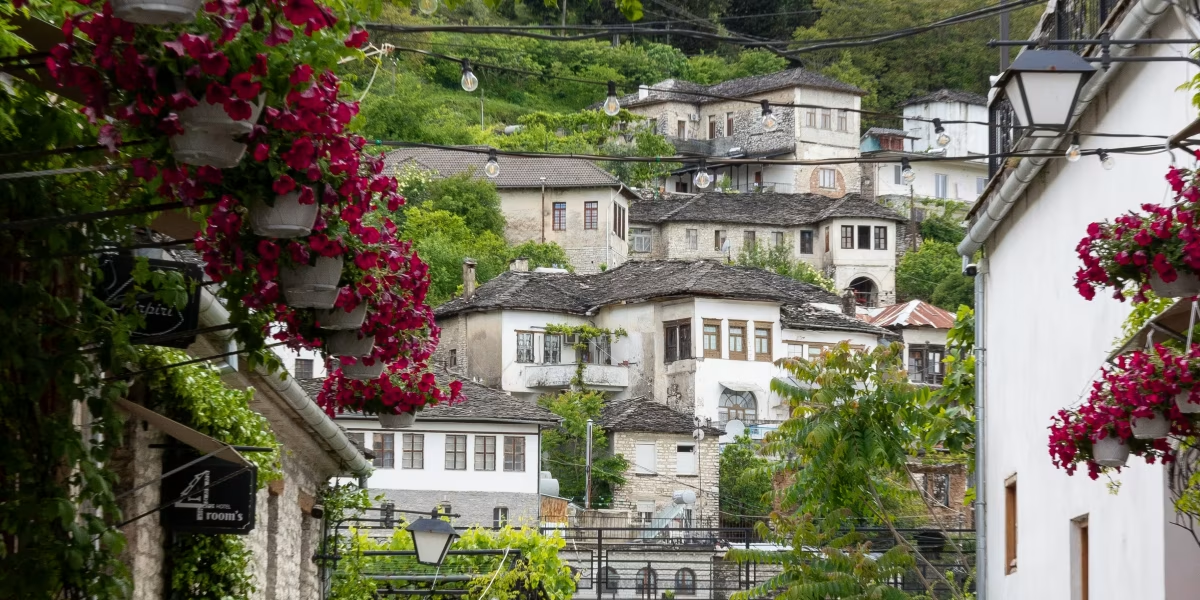
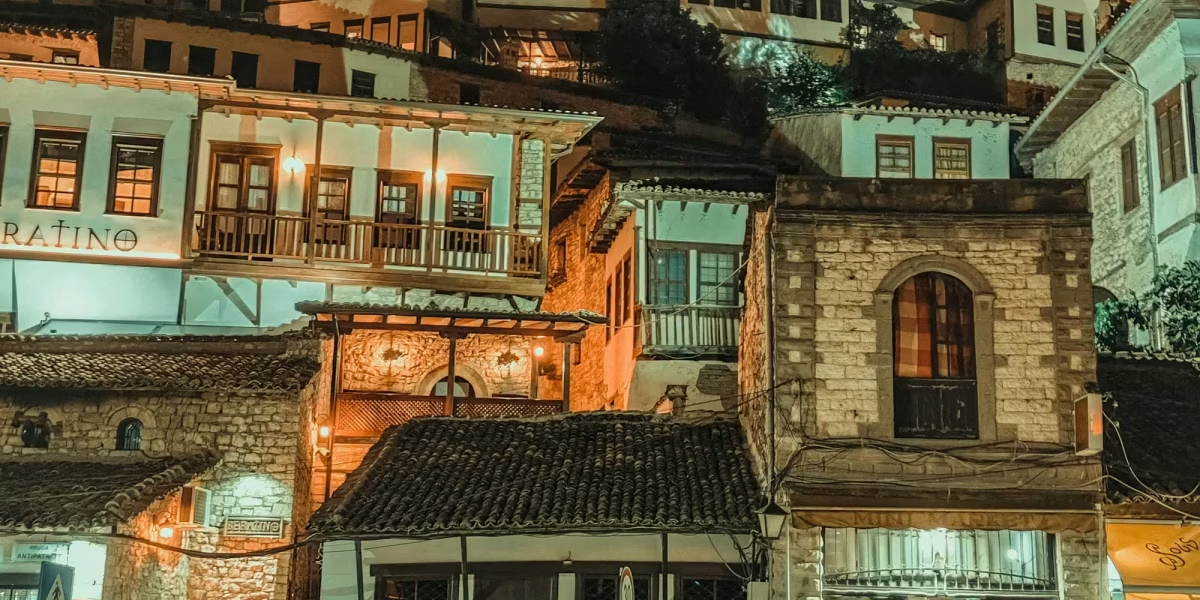
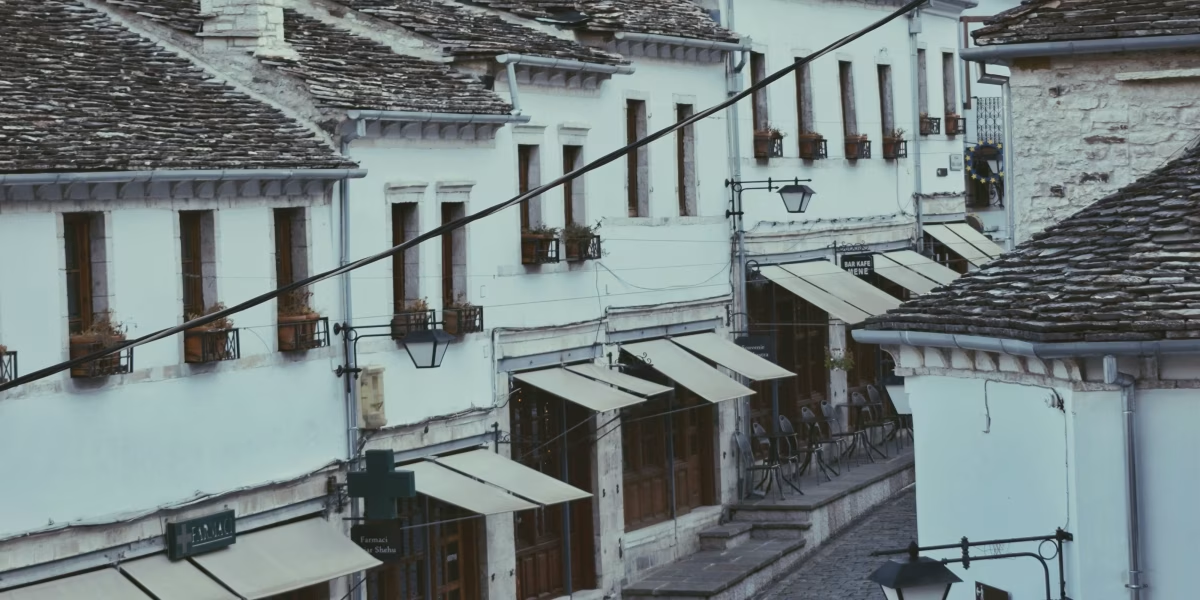
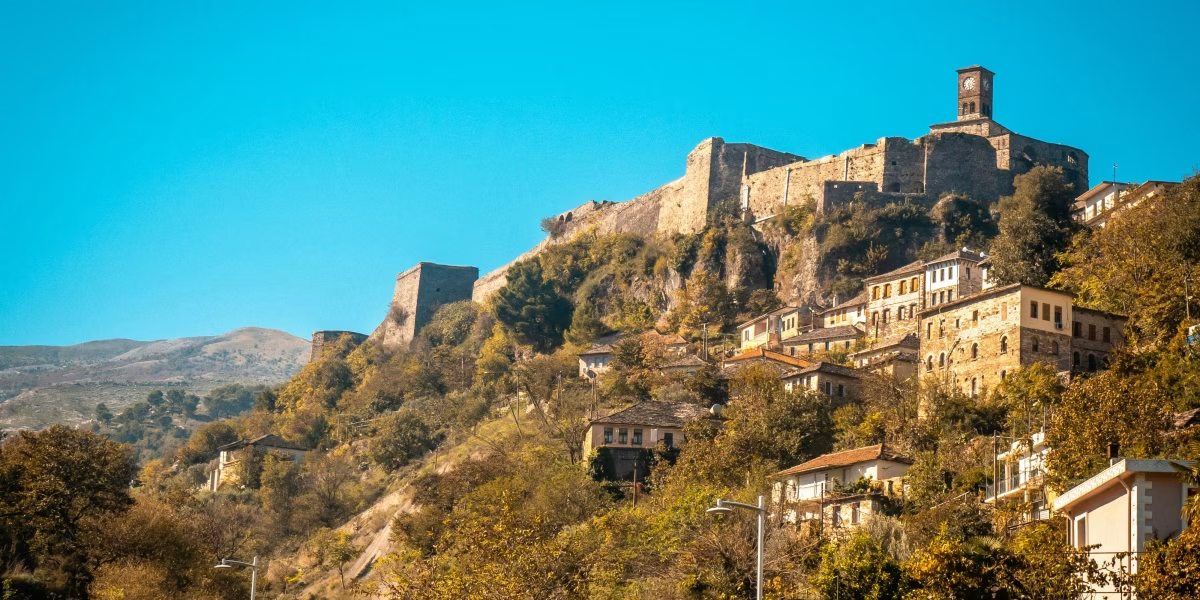
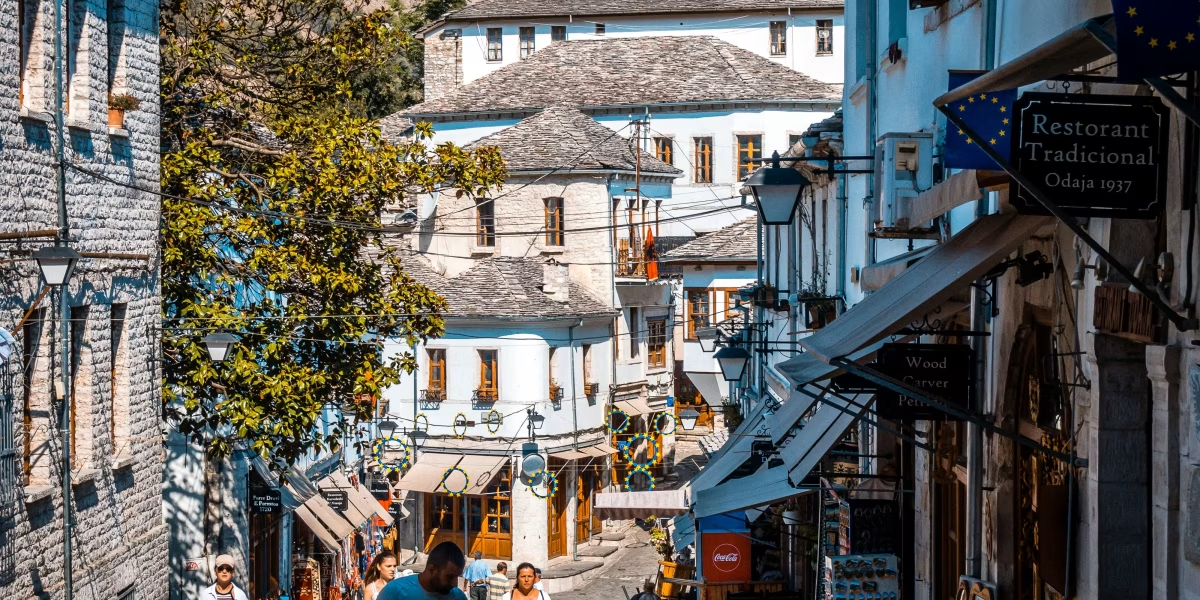
Gjirokastër is Albania's other UNESCO city, the counterweight to Berat and a very different animal. Two hundred and thirty kilometres south of Tirana, the Stone City spills down a hillside in cascading slate-roofed Ottoman houses, stacked like fortresses under the shadow of one of the largest castles in the Balkans.
Inside those walls you will find a Cold War-era US Air Forc...
Itinerary
Day 1 – Tirana → Gjirokastër
- Departure from Tirana (Skanderbeg Square / Airport )
- Scenic drive south through the Drino Valley (~3.5 hours with one coffee stop)
- Photo stop at the Drino Valley viewpoint with sweeping views over the Stone City
- Arrival in Gjirokastër around midday
- Lunch at a traditional Ottoman-style restaurant in the old town (not included)
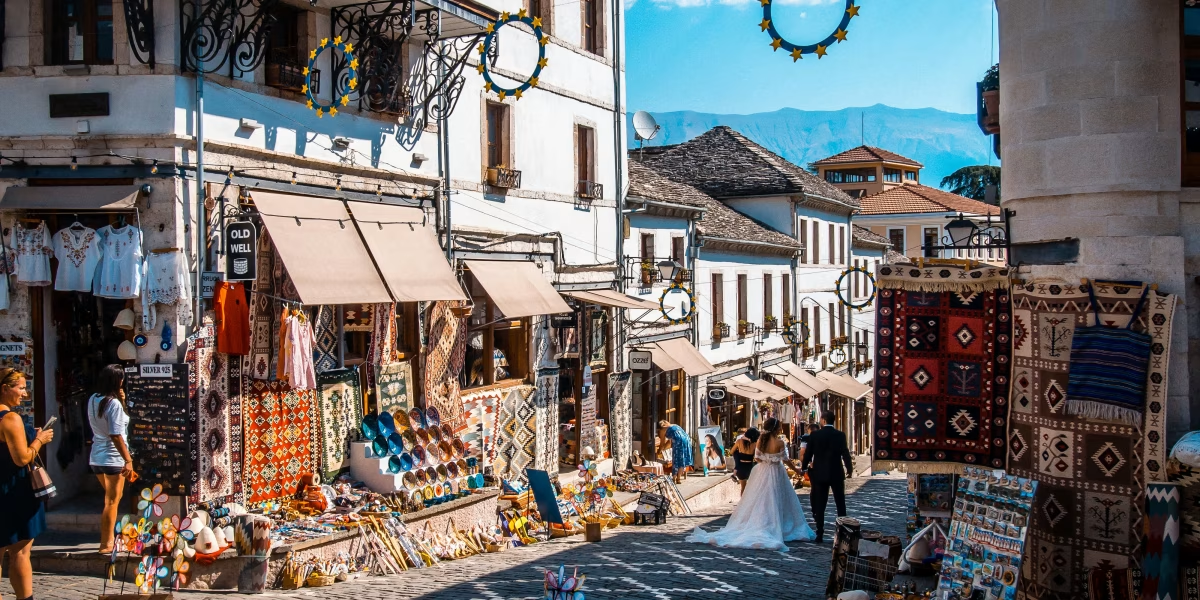
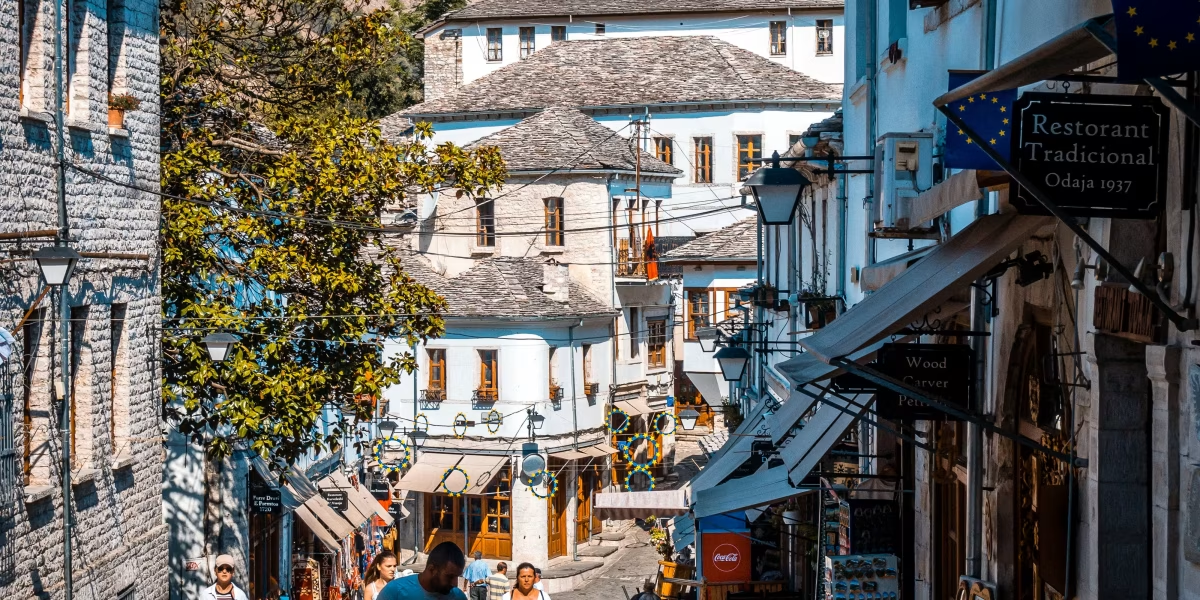
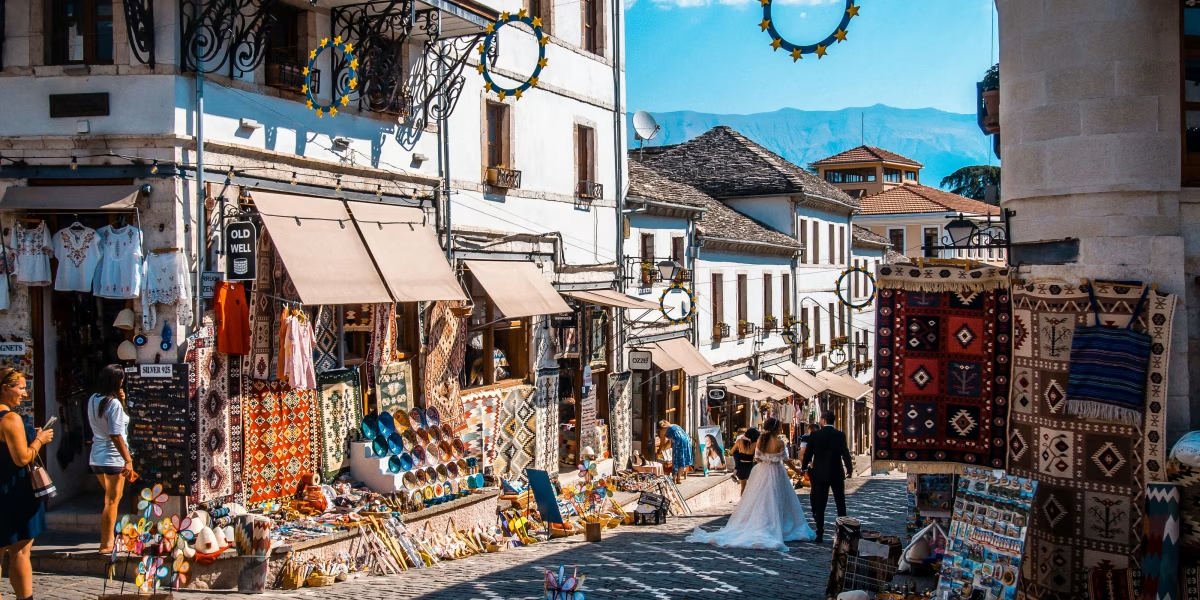
- Afternoon guided walk through the Old Bazaar
- Visit the Skenduli House, a perfectly preserved 18th-century Ottoman mansion
- Visit the Ethnographic Museum, the birthplace of dictator Enver Hoxha
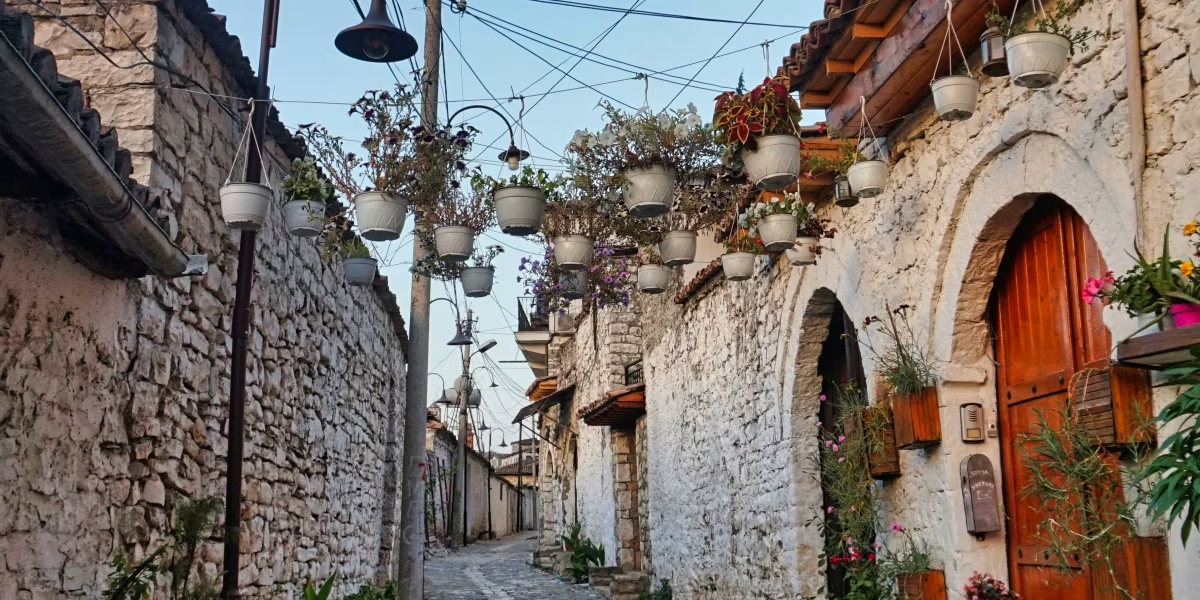
- Free time to explore stone-paved streets and stop at a panoramic café
- Dinner with views of the illuminated castle (not included)
- Overnight stay in a traditional Ottoman guesthouse in Gjirokastër
Day 2 – Castle, Tunnel and the Drino Valley
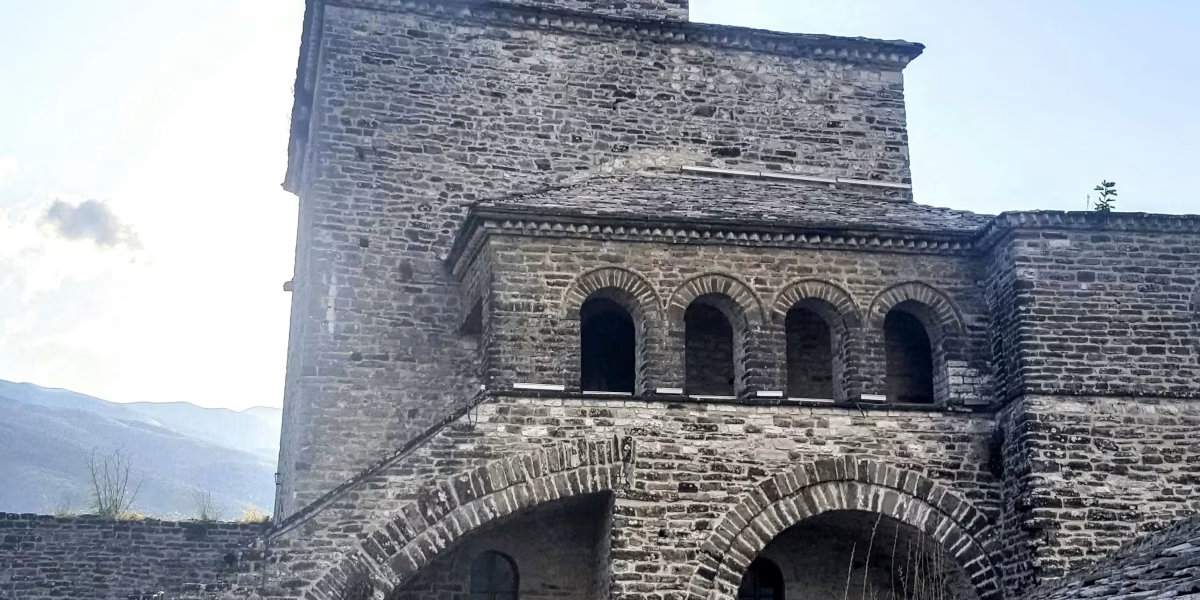
- Morning visit to Gjirokastër Castle – one of the largest in the Balkans
- Explore the National Museum of Armaments and the captured US fighter jet inside the castle
- Walk the castle ramparts for panoramic views over the Drino Valley
- Visit the Cold War Tunnel
- Stop at the Zekate House
- Light lunch and last coffee in the old bazaar (not included)
- Optional brief stop at the Blue Eye spring on the way back (seasonal, time permitting)
- Departure toward Tirana via the Drino Valley
- Arrival in Tirana
Trip highlights
-
2-day private trip from TiranaHotel pickup, all transport included, return to Tirana the same evening or after 1 nights.
-
Small private groupsMaximum 8 travelers per departure. No crowded buses, no rushed schedules.
-
Free cancellation up to 48hPlans change. Cancel up to 48 hours before departure and get a full refund — no questions asked.
- Local Albanian-foundedBooked and operated by Albanians. We run the trips ourselves — no middlemen, no commissions.
-
Rated 4.9 / 5 on GoogleReal reviews from real travelers. Read what they say about our trips.
-
English, German, Italian guidesNative-quality multilingual support before, during, and after your trip.
Photos from this trip
Frequently asked questions
Why is Gjirokastër called the Stone City?
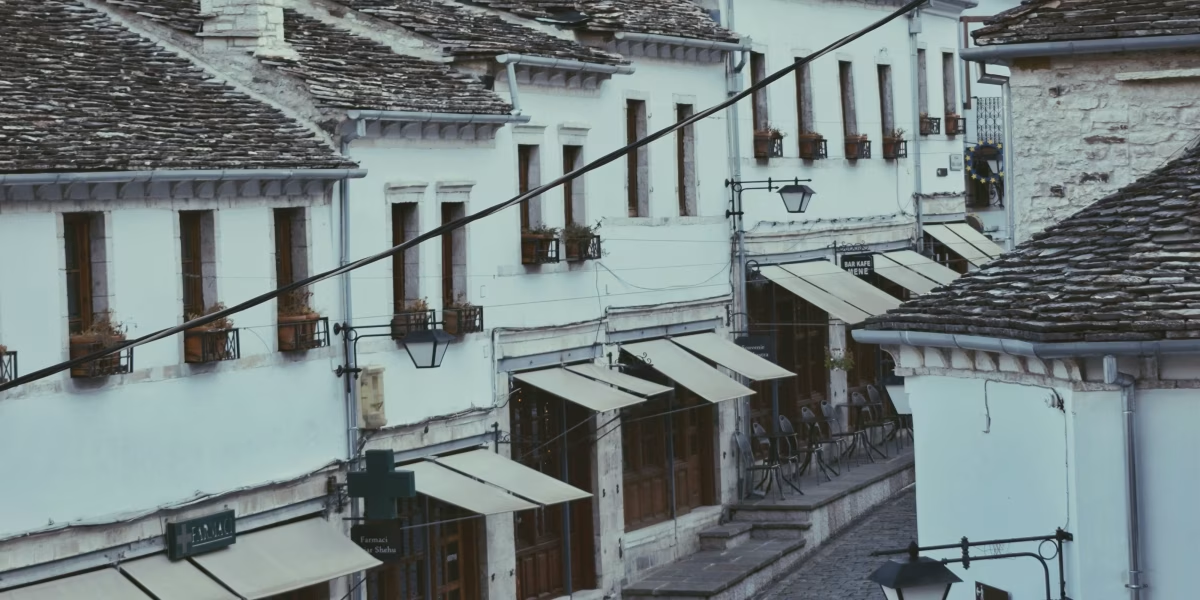
The nickname comes from the material. Nearly every building in the Ottoman old town, from the great houses down to the walls of the smallest workshop, is faced in the local grey slate, and the roofs are covered in the same stone rather than tiles. Seen from above, the town looks as if the mountain has been terraced in silver-grey scales. The style was practical, since slate resists fire, wind and rifle shot, but it also gave Gjirokastër a single unmistakable identity that helped earn its UNESCO listing.
What is inside the castle and is it worth the entry fee?
The castle is the single best cultural site in southern Albania and worth every lek. Inside the walls sit one of the largest Ottoman-era weapons collections in the Balkans, with cannons lined along the vaulted gallery, plus a small dedicated museum on Gjirokastër's role in the Second World War and the communist period. The showstopper for many visitors is the US Air Force RF-84F Thunderflash reconnaissance jet, downed or forced to land here in the 1950s and put on display as a Cold War trophy. There is also the Cold War Tunnel, a shelter carved for the Party elite, and the ramparts, which give the best long views over the Drino Valley in the country.
Can I visit Enver Hoxha's birth house?
Not the original. The house Hoxha was born in was destroyed by fire in 1916 and later rebuilt in the traditional style; today it functions as the Ethnographic Museum rather than a Hoxha museum, and the interior is presented as a typical wealthy Gjirokastër household of the period. Some memorabilia and photographs relating to Hoxha are on display, but the site is deliberately not treated as a shrine. If you are more interested in the literary side of the town, the Kadare House museum is a short walk away and paints a warmer picture of Gjirokastër childhood.
Is qifqi the same as Berat cuisine or something different?
Different, and this is one of the pleasant surprises of the trip. Berat's cooking leans on white bean stews, dairy and Ottoman meat pies. Gjirokastër's signature is qifqi, small firm balls of rice, eggs and wild mountain herbs, pan-fried until golden and served either as a starter or as a side to slow-cooked lamb. You will not find qifqi done seriously anywhere else in Albania, and even in Gjirokastër every family claims a slightly different herb ratio. The other must-try is pasha qofte, delicate lamb meatballs in a light sauce that is closer to a Levantine style than to typical Balkan grilling.
How long is the drive from Tirana and is a day trip realistic?
Around three and a half hours each way in realistic traffic on the SH4 through Fier and Tepelenë, sometimes longer in peak summer or if you hit lorry convoys on the mountain sections. A same-day round trip is technically possible but honestly not recommended, since it leaves you around three hours in Gjirokastër, which is not enough for the castle plus the old town plus even a short lunch. The trip is designed as an overnight for good reason. If your calendar is genuinely too tight, we can arrange a private day-trip variant, but you will feel rushed and you will miss the town at its best moment, which is the golden hour when the slate roofs turn silver.
Better combo: Gjirokastër with Berat or with Sarandë?
It depends on what you came to Albania for. If you are here for culture, history and architecture, Berat plus Gjirokastër is the natural three-day itinerary, since together they are the two UNESCO Ottoman cities of the country and complement each other cleanly: Berat is white, gentle and river-valley, Gjirokastër is grey, steep and fortress. If you want to balance culture with the coast, drop Berat and continue south from Gjirokastër to Sarandë and the Ionian beaches, which are only about an hour and a half further on. Some travellers do all three in a five-day loop from Tirana. We can build the itinerary either way.
Are both Ottoman-house museums, Skenduli and Zekate, worth doing?
For a first visit, one is enough. We include the Skenduli House on the standard itinerary because it is still owned and shown by descendants of the family that built it, which gives the visit a warmth and a personal narrative that a state-run museum cannot match. The Zekate House, higher up the hill, is architecturally the more spectacular of the two, with a double-height painted reception room that is genuinely striking. If you are an architecture or history specialist, we can add Zekate on the morning of day two for a small extra fee. For everyone else, Skenduli plus the Ethnographic Museum covers the Ottoman-mansion story well.
What is the Blue Eye and is it really worth the detour?
The Blue Eye, Syri i Kaltër in Albanian, is a karst spring about twenty minutes south of Gjirokastër where an underground river forces clear cold water up to the surface through a pool that has never been fully sounded. Divers have gone past fifty metres and the bottom keeps going. The colour is the point: a ring of deep dark blue in the centre fading to turquoise green at the edges, so vivid it looks retouched. Yes, it is worth the detour. Fifteen minutes at the viewing platform is enough if you are pressed for time, thirty if you want to walk the wooden boardwalk and have a coffee at the small on-site cafe. Swimming is officially discouraged because the water is around ten degrees year-round, but a few brave people still jump in.