


At a glance
-
Duration2 days
-
DifficultyEasy
-
Group sizeMax 8 travelers
-
LanguagesEnglish, German, Italian
-
Meeting pointHotel pickup in Tirana
-
CancellationFree up to 48h before
About this trip
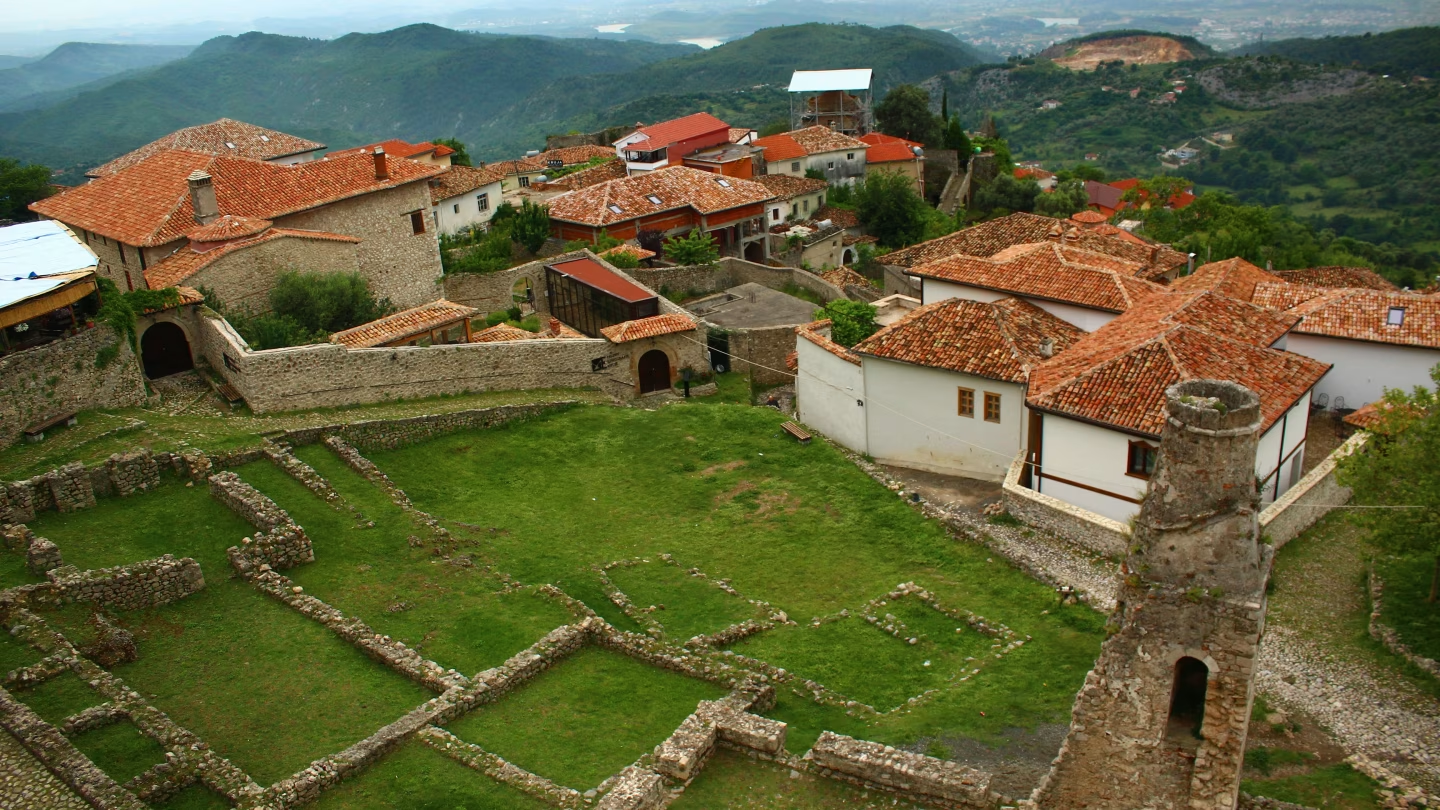
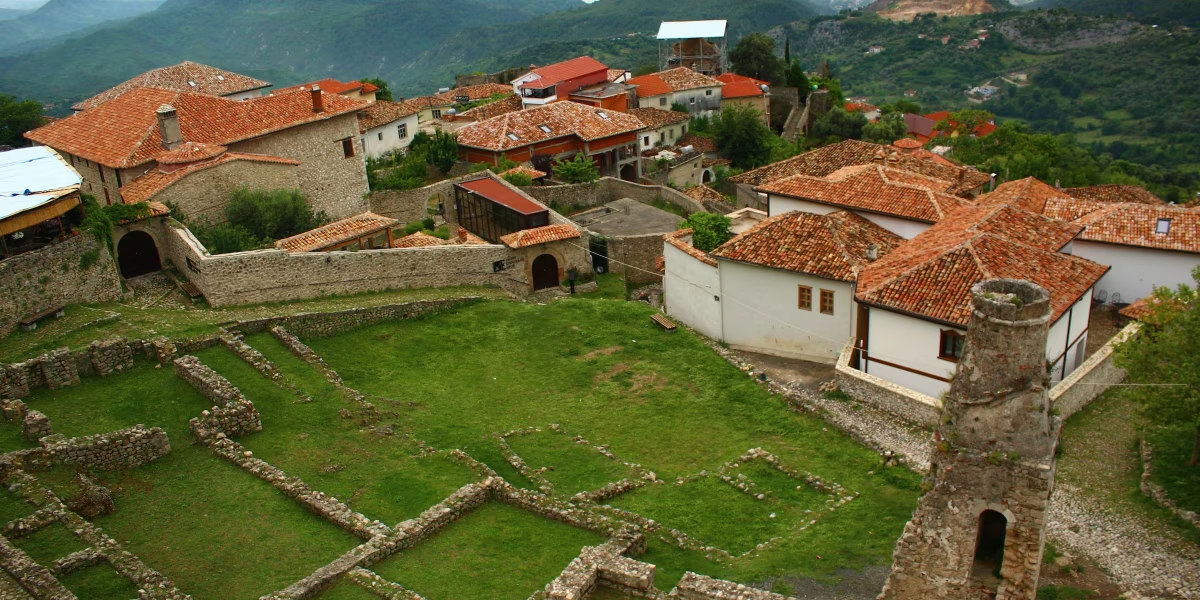
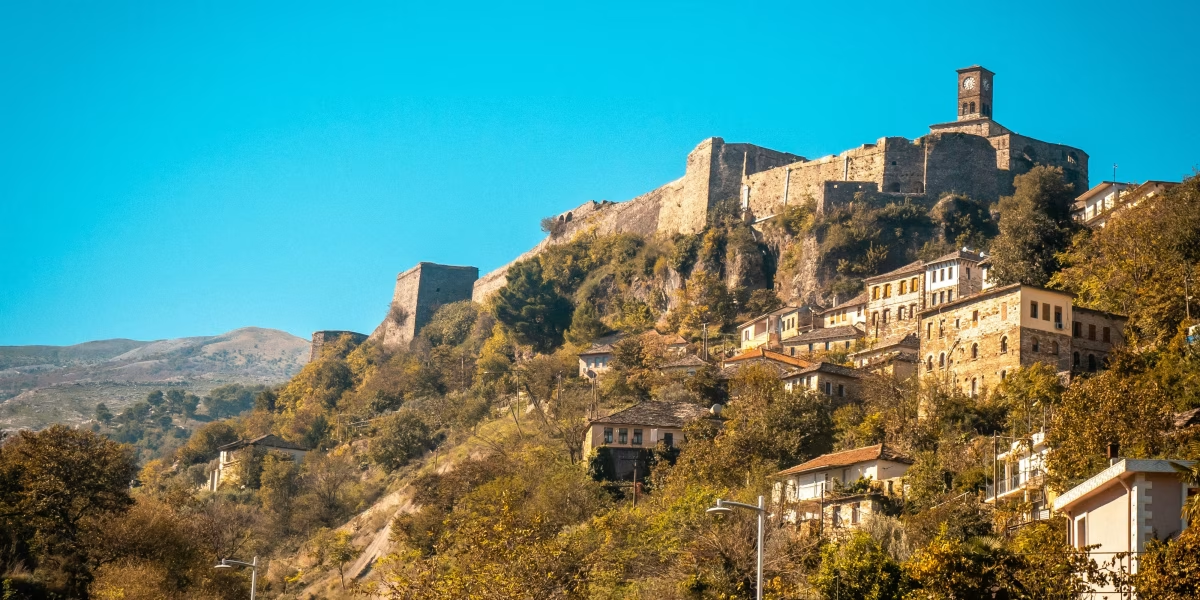
Kruja is a medieval hilltop town about 33 km north of Tirana, wrapped around the stone fortress of Gjergj Kastrioti Skanderbeg, the Albanian national hero of the 15th century who held off Ottoman armies from this ridge. On a clear day the view from the ramparts sweeps west across the entire coastal plain to the Adriatic. On any da...
Itinerary
Day 1 – Tirana → Krujë Castle and Old Bazaar
- Departure from Tirana (Skanderbeg Square / Airport)
- Short scenic drive north with views of the mountain town climbing the slope ahead
- Arrival in Krujë and walk up the cobbled approach to the castle
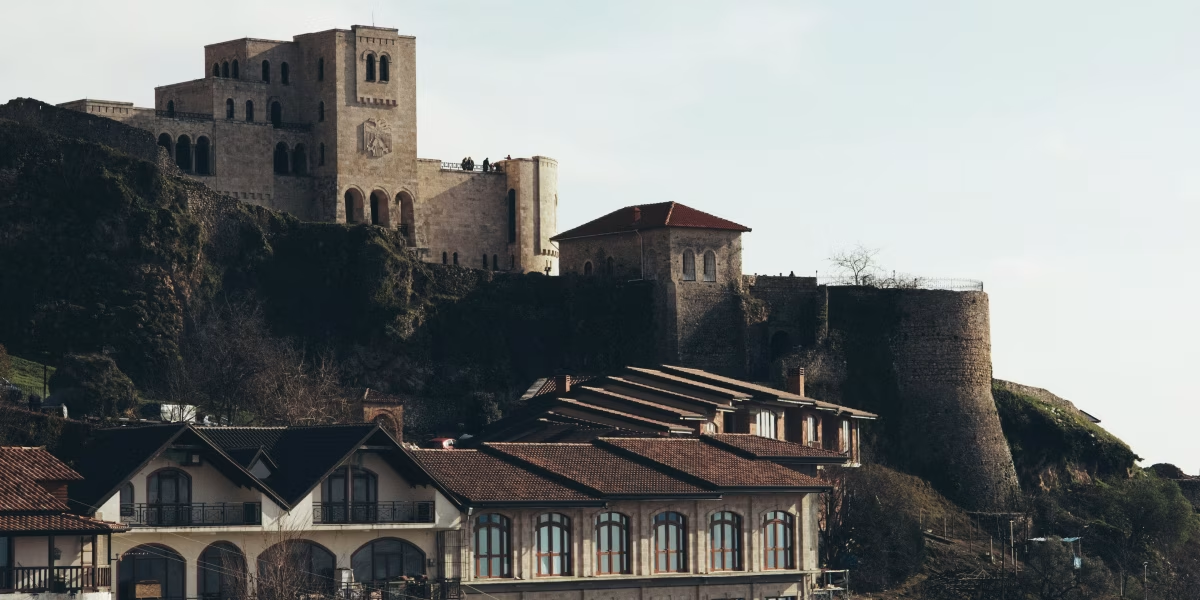
- Guided tour of Krujë Castle and the Skanderbeg Museum.The story of 25 years of resistance
- Visit the National Ethnographic Museum inside an 18th-century Ottoman house
- Climb to the castle ramparts for sweeping views over the Adriatic plain
- Lunch at a traditional restaurant inside the castle walls (not included)
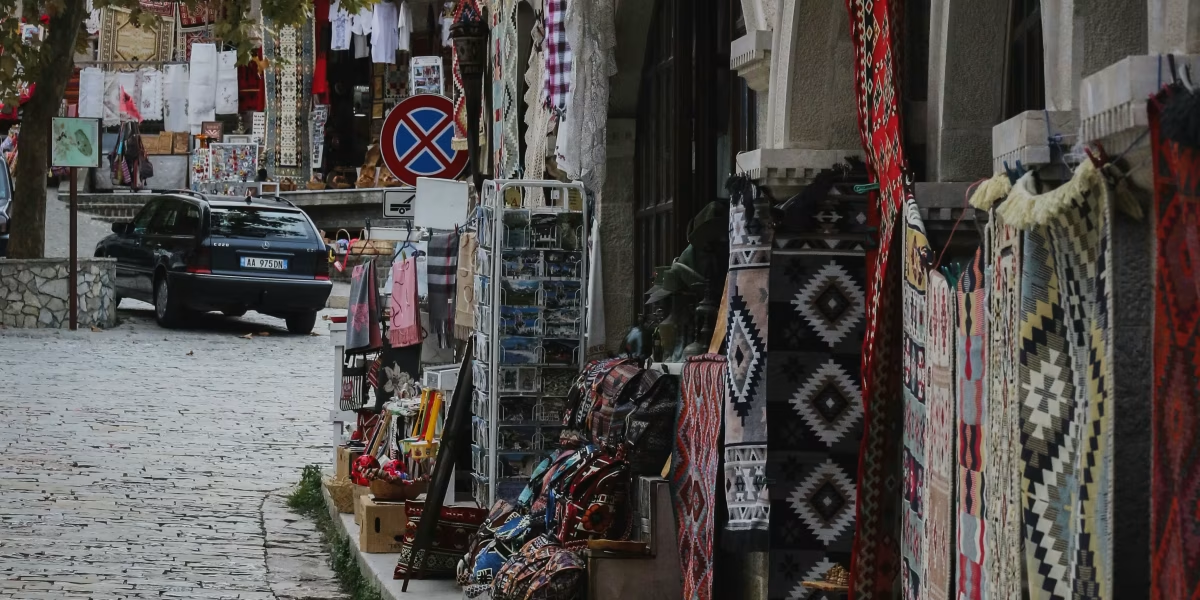
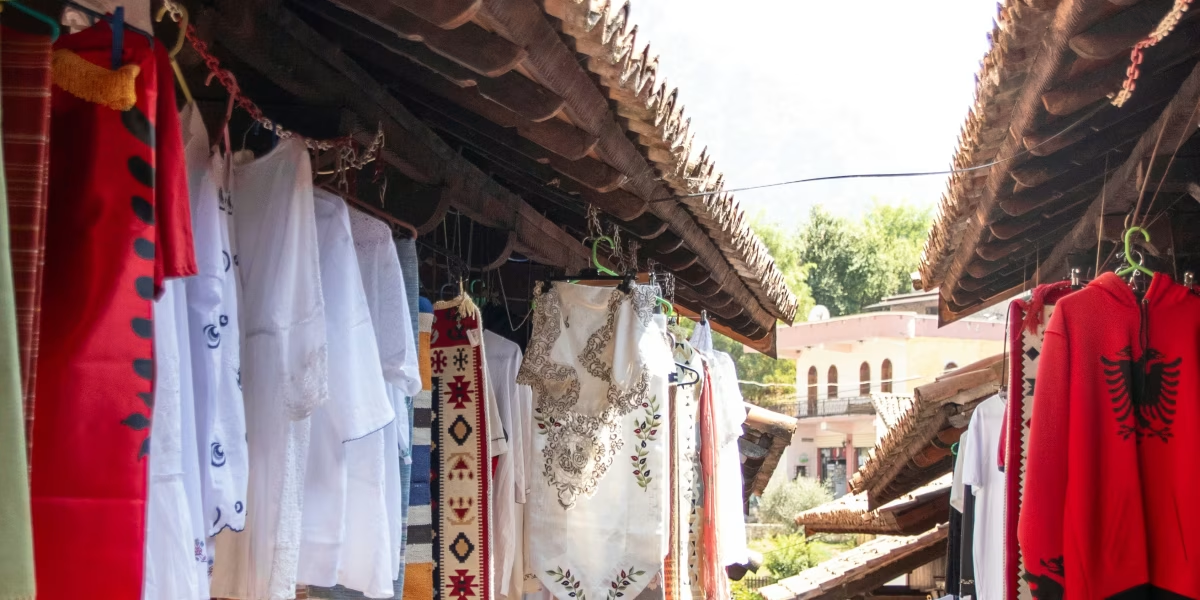
- Stroll through the Old Bazaar
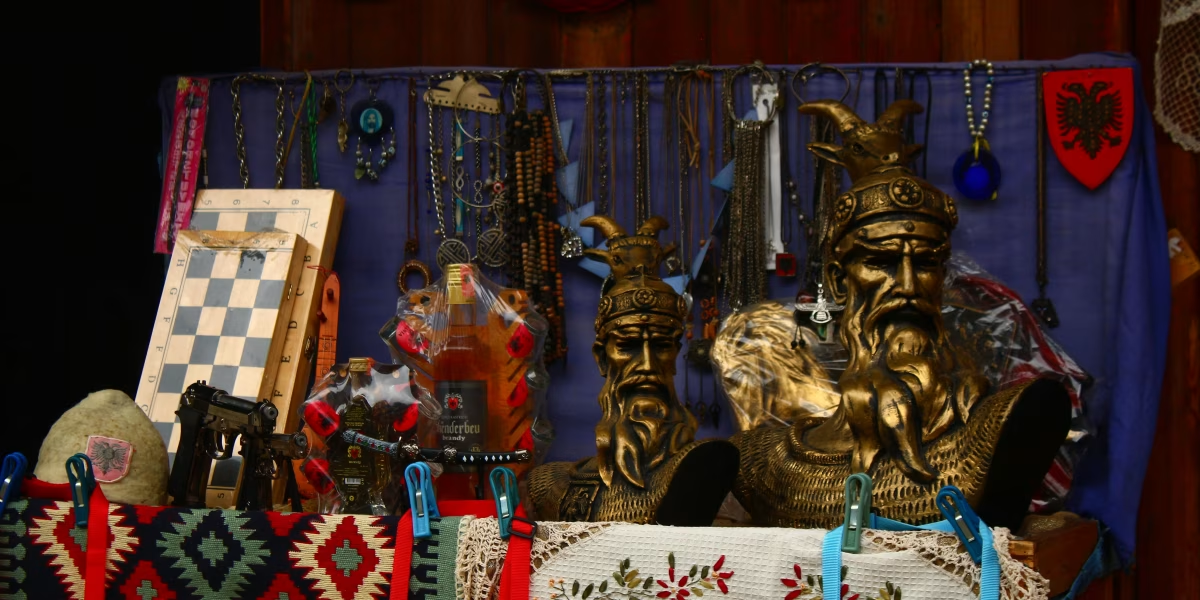
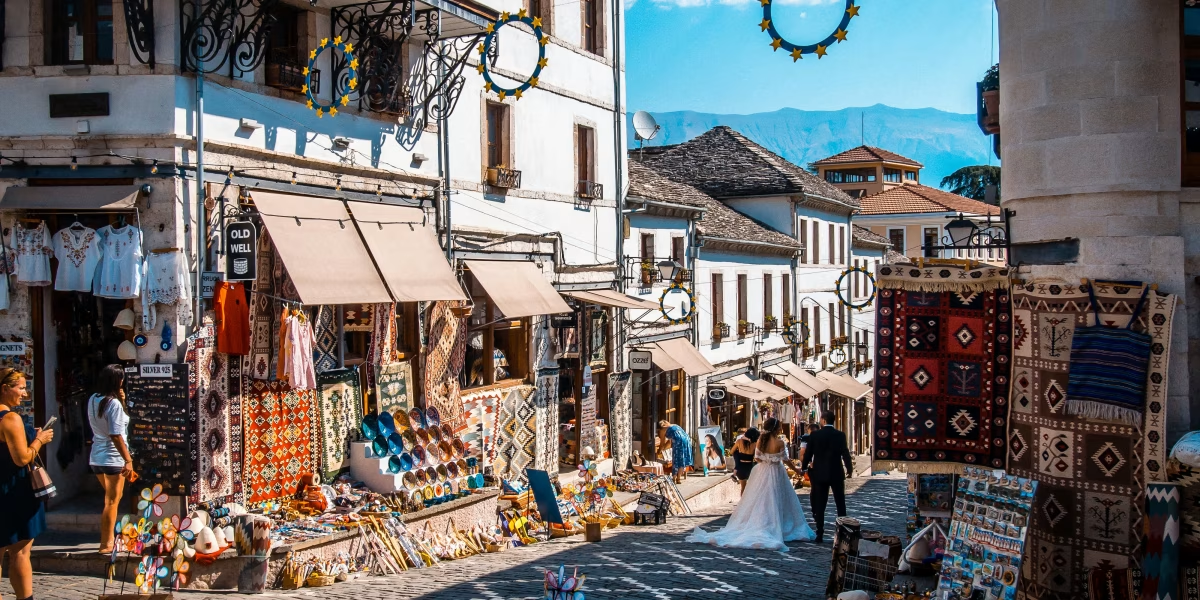
- Free time to shop for handmade rugs, filigree silver and Ottoman antiques
- Sunset from the castle terrace with the entire coastline visible in the distance
- Dinner at a mountain tavern (not included) and overnight in Krujë
Day 2 – Sari Salltik and the Mountain
- Morning hike or short drive up to the Sari Salltik shrine, a Bektashi pilgrimage cave high above the city
- Panoramic views from the mountainside over the bazaar and the plain below
- Return to the old town for a relaxed late breakfast or coffee in the bazaar (not included)
- Visit the Dollma Tekke, a small 18th-century Bektashi shrine inside the castle
- Optional stop at Krujë's Roman aqueduct ruins
- Light lunch in Krujë (not included)
- Departure toward Tirana
Trip highlights
-
2-day private trip from TiranaHotel pickup, all transport included, return to Tirana the same evening or after 1 nights.
-
Small private groupsMaximum 8 travelers per departure. No crowded buses, no rushed schedules.
-
Free cancellation up to 48hPlans change. Cancel up to 48 hours before departure and get a full refund — no questions asked.
- Local Albanian-foundedBooked and operated by Albanians. We run the trips ourselves — no middlemen, no commissions.
-
Rated 4.9 / 5 on GoogleReal reviews from real travelers. Read what they say about our trips.
-
English, German, Italian guidesNative-quality multilingual support before, during, and after your trip.
Photos from this trip
Frequently asked questions
Who was Skanderbeg and why does he matter so much to Albanians?
Gjergj Kastrioti, called Skanderbeg, was a 15th-century Albanian noble who, from this castle in Kruja, resisted the Ottoman Empire for 25 years between 1443 and his death in 1468. In a period when most of the Balkans had already fallen, he united the fractious Albanian principalities under one banner, won 24 out of 25 pitched battles against much larger Ottoman armies, and was made a Defender of the Faith by the Vatican. For modern Albanians, both Muslim and Christian, he is the symbol of the country existing at all as a coherent nation, which is why his double-headed eagle is still the flag and why almost every town has a Skanderbeg square.
What is actually inside the Skanderbeg Museum, and is it worth entering?
Yes, it is worth an entry ticket even if you are not a history buff, because the building itself is the exhibit. Opened in 1982 and designed by Pranvera Hoxha, the daughter of the communist dictator, it is a piece of monumental socialist-realist architecture with a giant bronze Skanderbeg at the gate. Inside you get large bas-reliefs of famous battles, reproductions of his helmet and sword, tapestries and maps that trace the 25-year resistance. There are not many original 15th-century objects, most are copies, but the theatricality of the space and the sweeping historical narrative work well together. Give it around 30 minutes.
Is the Old Bazaar authentic, or has it become a tourist trap?
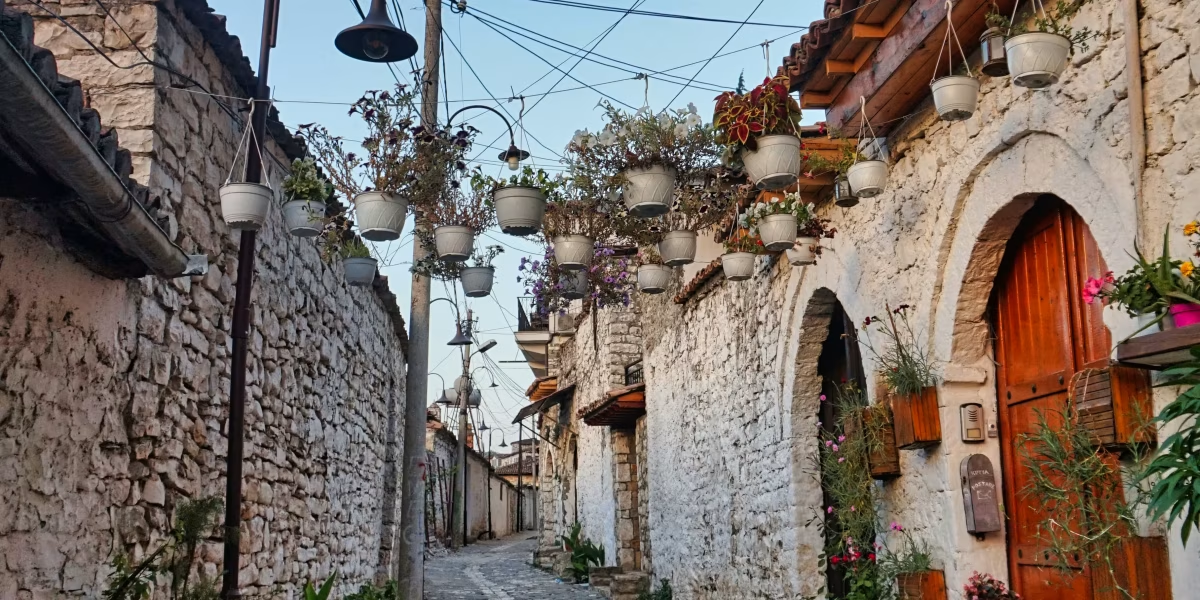
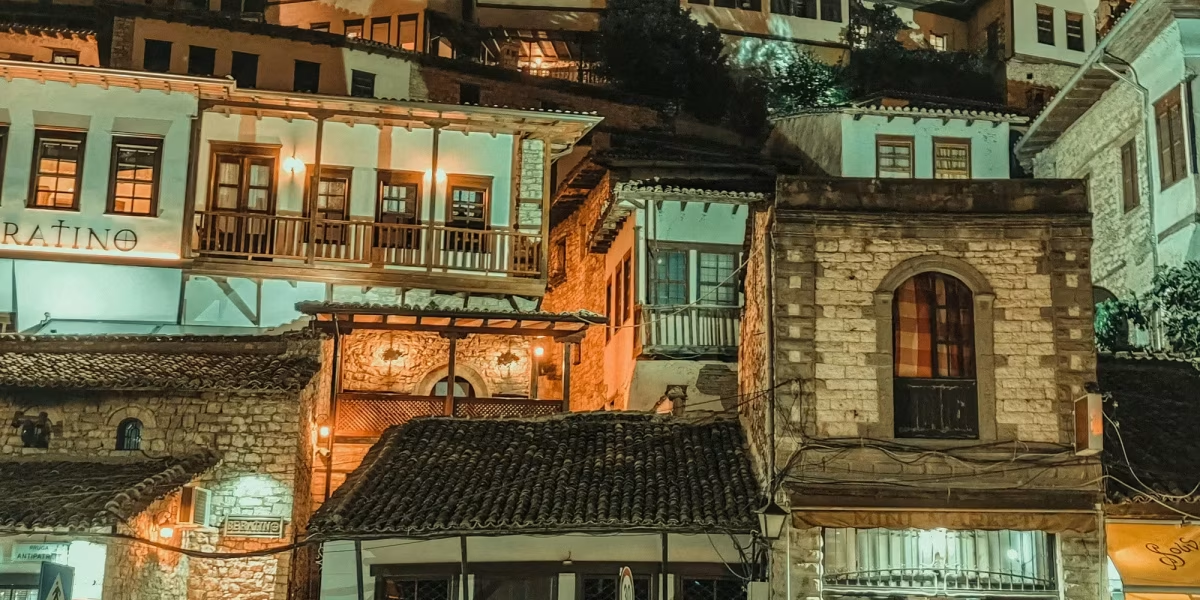
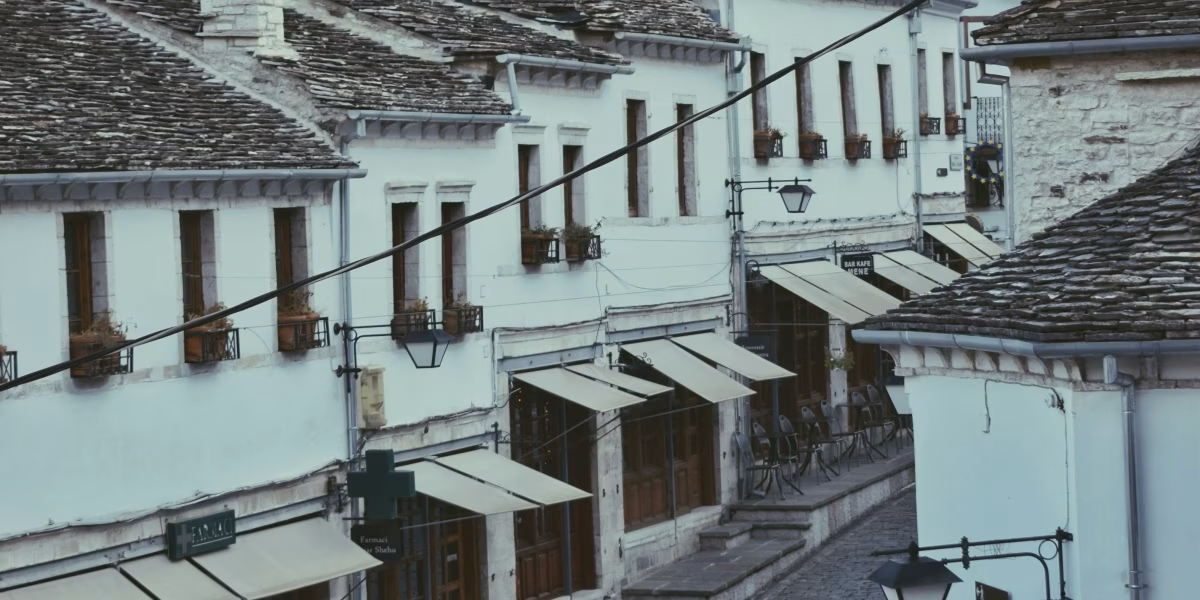
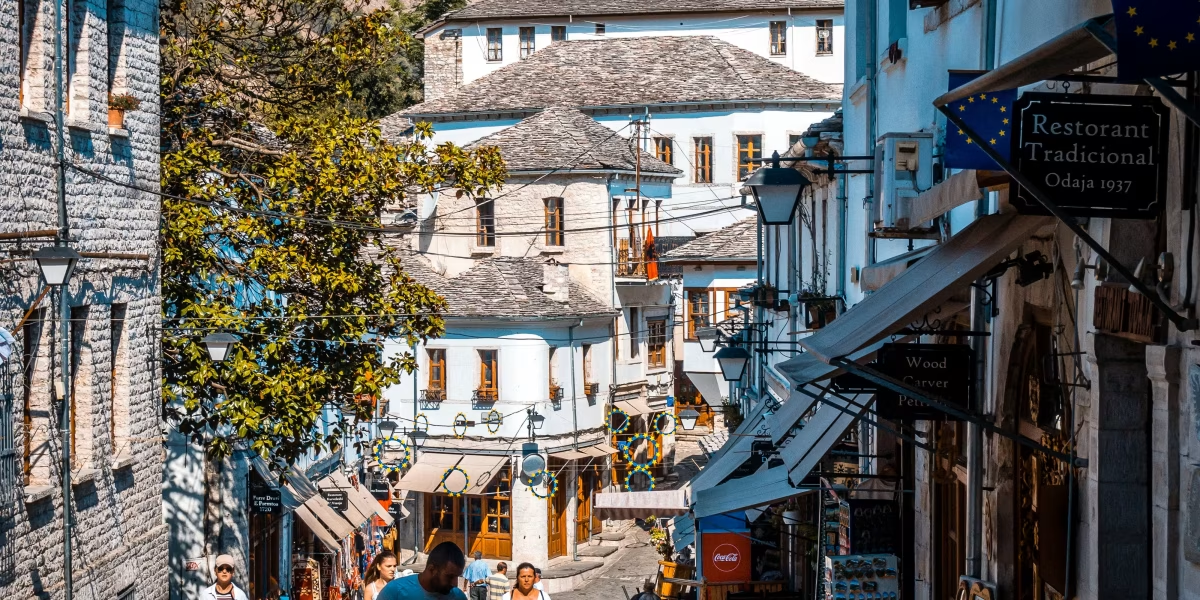
It sits on the tourist route, so yes, you will see coach groups on weekend mornings in high season, but the bazaar itself is genuine. The layout of narrow cobbled lanes with two-storey wooden shops dates to the Ottoman period, and roughly half the merchants are still working artisans rather than resellers. You can watch filigree silversmiths solder in their windows, see kilim rugs being folded straight from the loom, and buy hand-embroidered linen from women who made it themselves. The trinket end of the market does exist, but it is easy to walk past, and after 4pm most of the coaches leave and the street returns to a quieter local pace.
What are the best souvenirs to buy in Kruja, and how much should they cost?
The three things Kruja does better than anywhere else in the country are filigree silver, kilim rugs and hand-embroidered linen. A small filigree pendant runs around 15 to 30 euros, a proper pair of earrings 40 to 80, and a signed maker's piece can go higher. A hand-woven kilim in a 1 by 1.5 metre size is usually 80 to 150 euros depending on the wool and the age. Embroidered table linens and traditional wool socks are 5 to 20 euros. Polite haggling is expected on rugs and larger silver, but almost never on the small handmade pieces where the price already reflects the hours of work.
How difficult is the walk up to the castle, and is it doable with children or older visitors?
The drive brings you to a car park close to the walls, so the walk itself is short, roughly 10 minutes uphill on cobbled ground with a few sets of stone stairs. Most children of school age handle it easily and older visitors with steady legs manage it fine at their own pace. It is not friendly for wheelchair users or anyone with significant mobility limits, because the surfaces are uneven and there are no ramps at the fortress gate. Good walking shoes make a real difference, and in summer it is worth doing the climb before 11am while the stone is still cool.
Can I do Kruja as a half day from Tirana, or do I need a full day?
Both work well. A half day, roughly four hours door to door, gives you the castle, both museums and about 30 minutes in the bazaar; you leave Tirana at 8:30am and are back for a late lunch. A full day adds a proper terrace lunch at Panorama Kruja, a slower browse through the artisan workshops and, if you want, the 20-minute uphill walk to Sari Salltik cave in the afternoon. If it is your first trip out of Tirana or you enjoy shopping, we recommend the full day; if you are pressed for time or continuing to the airport, the half day still gives you the real thing.
Where do we eat lunch in Kruja, and can vegetarians eat well?
The classic is Panorama Kruja, a large terrace restaurant just outside the fortress walls with a horizon-wide view of the coastal plain. It is reliable for roast lamb, grilled peppers, homemade byrek and a glass of house red at fair prices. If the terrace is full, several small konaks along the Old Bazaar street serve very good traditional food in stone-walled rooms. Vegetarians eat easily: byrek me qepë (onion pie), byrek me spinaq (spinach), fasule (white bean stew), salate greke, grilled vegetables and stuffed peppers are on almost every menu. Vegans should ask pa djathë and pa vezë, and the safe orders are bean stew, grilled vegetable platters and rice pilaf.
Is the walk up to Sari Salltik cave worth the extra 20 minutes?
If you have the legs and the weather is clear, yes. From the fortress the path climbs steadily for around 20 minutes on a rough dirt track to a small Bektashi shrine tucked into a cave on the mountain shoulder, with a panorama that goes further than the one from the castle: the whole coastal plain in one direction and the Skanderbeg range in the other. The site is still used by local pilgrims, so it is worth being quiet and modestly dressed. Skip it if it is hazy, raining, or your knees are already tired from the castle stairs; the castle view is 90 percent as good with none of the climb.